REVIEW · NIAGARA FALLS
Guided Kayak Tour on Niagara River from the US Side
Book on Viator →Operated by Blue Water Marina · Bookable on Viator
That calm Niagara River can feel like a secret.
On this guided kayak tour from Grand Island, you trade the roar of Niagara Falls for quiet marshes, low islands, and wildlife-filled water—plus a guide who ties it all to local history and ecology. I like how the route focuses on the Upper Niagara River’s quieter side, with time to look closely (not just paddle past).
Two things I really love: first, the wildlife viewing is the whole point. You’ll be scanning for waterbirds like great blue herons, egrets, and Caspian terns as you work your way through islands such as Motor Island and the Strawberry Island area. Second, the guide storytelling makes the scenery make sense, from the River Lea Farmhouse (where Grover Cleveland worked his first job) to the area’s ongoing marsh and wetlands efforts, explained in plain language.
One consideration: this isn’t a sit-and-glide cruise. You’ll be paddling for real, and if you’re not used to kayaking (or you have a short break-neck schedule), your shoulders and core may feel it by the end—especially if wind and waves stir up during the open-water stretches.
In This Review
- Key points I’d clock before you go
- Niagara River kayaking: why the “Falls area” can still feel peaceful
- Starting at 340 E River Rd: timing, meeting point, and what to plan for
- Your paddle plan: singles vs tandem kayaks and the pace you’ll actually feel
- Motor Island bird-watching and Strawberry Island lagoon ecology
- River Lea Farmhouse and the Grover Cleveland connection on the water
- Marsh restoration, plant life, and what the guides do with your questions
- Snack break, island wading, and the small moments that make it memorable
- What to wear and bring (and what you can skip)
- Group size, effort level, and who this trip suits best
- Value check: guided experience vs renting and winging it
- Should you book this Niagara River guided kayak tour?
- FAQ
- How long is the guided kayak tour?
- Where does the tour meet and start?
- Do I need to bring a kayak or paddling gear?
- Can kids join?
- What’s included besides the kayak tour?
- What happens if weather is poor?
Key points I’d clock before you go
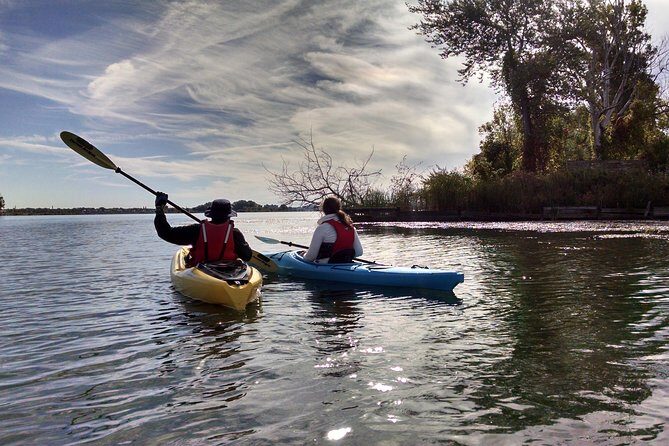
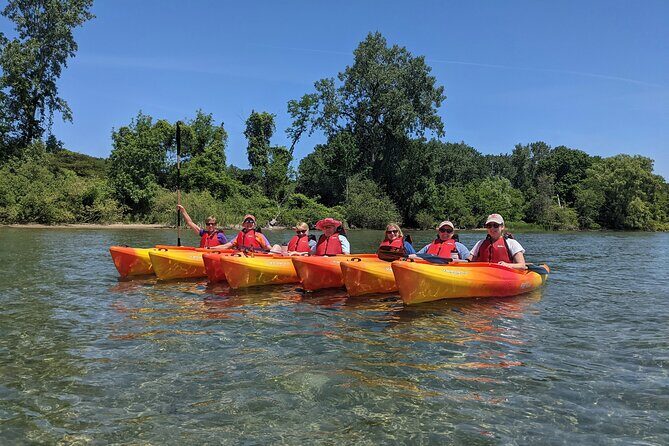
- Small group, big nature time: Maximum of 9 travelers means you get attention and the pace stays relaxed.
- Single or tandem kayaks: Choose what fits your comfort level and teamwork, especially if you’re kayaking with kids.
- More than scenery: The guide connects what you see—birds, plants, wetlands—to history and conservation.
- Iconic stops along the Upper Niagara: Motor Island for waterbirds; Strawberry Island for an especially important aquatic ecosystem.
- Included fuel for the trip: Bottled water plus a light snack keep you going without breaking the rhythm.
- Weather matters here: The tour runs only with favorable conditions, and you’ll be offered an alternative date or a full refund if canceled for poor weather.
Niagara River kayaking: why the “Falls area” can still feel peaceful
Niagara gets famous for sound and speed. But the Niagara River above the falls is a different story. It runs north from Lake Erie toward Lake Ontario, and right here it also marks the border between New York and Ontario—so you’re literally paddling through a boundary of habitats.
This tour starts in Grand Island, where the water and scenery shift from “attraction zone” to “living wetland.” You’re paddling along marshes and islands for about five-plus miles in a route that’s described as relatively easy—perfect if you want something active without needing whitewater skills. And because the route is designed around wildlife and habitat, you’re not just moving from point A to point B. You’re stopping, looking, and learning what makes this river system work.
One subtle benefit: you’ll see the Niagara River like it’s meant to be seen—at bird height, plant level, and boat level. From a kayak, you notice details you’d miss from shore: where reeds thicken, where waterbirds pause, and how the islands shape the current.
Other US-side Niagara Falls tours we've reviewed

Starting at 340 E River Rd: timing, meeting point, and what to plan for
You meet at 340 E River Rd, Grand Island, NY 14072, with the tour beginning at 10:00 am. The whole experience runs about 3 hours, and it ends back at the same meeting point.
No hotel pickup means you’ll drive yourself (or use a local ride share/taxi) and get there on your own schedule. The good news: Grand Island is about 20 minutes from Niagara Falls, so you’re not losing half a day to transit.
Two practical tips that make the morning smoother:
- Arrive early enough to settle in before equipment goes out and you get briefed. If you’re bringing kids, give yourself extra minutes so everyone stays calm.
- Bring a camera, because marsh birds and island vistas are exactly the kind of scene you’ll want to capture without having to run around.
Also note the group size: there’s a minimum of two travelers per tour and a maximum of 9. That small cap matters. It usually means fewer logistics bottlenecks and more time for questions.
Your paddle plan: singles vs tandem kayaks and the pace you’ll actually feel
You choose either a single or double (tandem) kayak. That choice affects the whole experience.
If you’re in a tandem, the paddling becomes more teamwork-based, and kids can ride along with a parent. The minimum age is 8, and kids must accompany a parent on a two-person kayak. If you’re a parent thinking about confidence and control, tandem is often the easier first step because one person can focus on steering and the other can focus on paddling rhythm.
If you’re in a single, you’ll have more freedom and self-management—but you’ll also own more of the work. Some people plan for a relaxing nature outing, then realize they’re using arms and core more than they expected. Even though the route is relatively easy, you’re still paddling, turning, and holding position when the guide points out wildlife.
Route-wise, expect an experience built around calm-water maneuvering through marshy areas and around islands. You may also get a short taste of moving water; one standout detail from the trip is that you can even encounter a brief class 1 rapids moment. That’s not the kind of rapids you’re being asked to fear—it’s more like a quick reality check that river flow is still river flow.
One more thing to consider: some parts can feel more “open” than others. If wind picks up, you’ll feel it. The tour operates only in favorable weather, which helps, but water conditions can still change fast on a river.
Motor Island bird-watching and Strawberry Island lagoon ecology
This is where the tour earns its keep: the wildlife stops aren’t random. They’re tied to habitats.
You’ll pass areas tied to the river’s island system and likely spend time looking around spots such as Motor Island, which is known for waterbirds. The types of birds you may spot include egrets, great blue herons, and Caspian terns. The key is that your guide is looking too—so instead of scanning endlessly yourself, you’ll know what to look for and where to look.
Then there’s Strawberry Island. This island has a deep lagoon, and it’s described as one of the most significant aquatic ecosystems in the Great Lakes region. Translation for you: this is not just a pretty island to paddle around. It’s part of a living system where plants, water movement, and wildlife all interact.
What makes these stops valuable on the water is your vantage point. In a kayak, you’re close to shallow edges and plant beds, which is exactly where birds feed and where you can see how the marsh supports life. It’s also why the guide’s explanations matter. When someone points out why that spot holds birds—rather than just naming them—you’ll walk away with a mental map of the ecosystem.
River Lea Farmhouse and the Grover Cleveland connection on the water
History here isn’t stuck in a museum. It’s part of what you pass.
As you paddle from Grand Island toward the island-and-marsh stretch, you’ll pass the River Lea Farmhouse—a Victorian farmhouse at Beaver Island State Park. This is tied to President Grover Cleveland, who worked at his first job for his uncle in this area.
That historical connection changes how you see the river. Instead of treating the scenery as a generic “nature break,” you start noticing how the Niagara River has shaped work, settlement, and land use along its course. And because the guide also ties it to what’s happening now—wetlands restoration and habitat protection—it creates a timeline you can feel: past livelihoods to modern conservation.
If you’re traveling with school-age kids, this kind of history overlay often lands better than a lecture. The details become relevant in the moment because you’re looking at the same water and islands those stories connect to.



Marsh restoration, plant life, and what the guides do with your questions
The guides are a major part of the experience. Names like Paul, Desi, Dan, Kevin, and Tommy come up as standout guides, and the common thread is how they connect ecology to everyday understanding.
You’ll hear about wetlands restoration projects and why habitat protection matters for waterbirds and the broader river ecosystem. You might also get explanations that sound like a nature class—but without the boredom. One of the strongest themes is that the guide doesn’t just point at a bird and move on. They explain what you’re looking at: plant type, water conditions, and the ecological role of the marsh.
This is also where you’ll get value from asking questions. A small group helps. If you’re curious about a bird’s behavior or why certain islands matter, you’ll usually get a real answer rather than a quick wave.
One more practical detail: the guide’s focus can also shape the route slightly. In at least one instance, the tour went a little over time to accommodate extra paddling, which suggests the group wasn’t being rushed through the highlights.
Snack break, island wading, and the small moments that make it memorable
You’re not on the water for hours without a pause. The tour includes a light snack and bottled water.
In addition to the snack, you may get a chance to stop at an island and do something simple but fun, like wading in shallow areas. Some trips include time for wading and swimming when conditions allow, which is exactly the kind of sensory payoff a kayak outing needs. You get to feel the water, not just see it.
Expect breaks to be part of the pacing rather than a rushed “here’s your snack, back in the boat” routine. That matters because the best bird sightings and plant observations often happen when you slow down.
Also, if you’re the type who wants to plan ahead: it’s a good idea to wear a hat and sunscreen. Even if you think it’s cool near water, river mornings add up—especially if the sun finds you between cloud breaks.
What to wear and bring (and what you can skip)
Recommended clothing is simple and practical:
- loose light clothing
- hat, sunglasses, and SPF sunscreen
- a bathing suit is recommended but not required
You’ll also want gear for comfort. If you have a rash guard or quick-dry shirt, it can be nice for sun and water contact. If you prefer not to think about it, just dress in layers you can tolerate getting a little wet.
Don’t forget the basics:
- camera
- any personal items you need for comfort and sun protection
You don’t need to bring your own kayak or paddling equipment. The tour includes all necessary equipment, and you choose single or tandem kayaks when you arrive.
One small planning note: there’s no hotel pickup/drop-off, so plan your parking or transportation before you head out.
Group size, effort level, and who this trip suits best
This tour fits best if you want nature plus structure. It’s active enough to feel like you did something, but it’s not an endurance test.
If you’re kayaking for the first time, the “relatively easy route” idea is a big deal. But first-timers should still respect the work involved. Some people report paddling more than expected, and afterward they felt it in shoulders and neck. If you know you’re prone to soreness, consider building in a gentle stretch before and after, and don’t overthink how strong you have to be. You’re moving steadily, and you’re not getting pushed into technical maneuvers.
If you’re traveling as a couple, this is a strong option because the pace allows conversation, and you still get plenty of scenic time. If you’re traveling with kids, tandem kayaks are a smart match, and the minimum age being 8 makes it accessible for families who want more than a short playground stop.
If you’re older or have knee issues, kayaking can still work because it’s mostly upper-body and balance—though you’ll be on the water, so you should judge your own comfort with stepping in and sitting for the duration.
And if you’re the type who loves wildlife identification, this is one of those tours where your attention is rewarded: herons, terns, and marsh life give you something to look for beyond the visuals of Niagara’s main falls.
Value check: guided experience vs renting and winging it
There’s no getting around it: a guided kayak tour is usually pricier than DIY. One family flagged the idea that the experience can feel expensive, especially when the group size and number of kayaks used doesn’t match what you might assume.
Here’s how to think about value without getting lost in numbers:
- You’re paying for equipment, a small-group guide, and the time to learn what you’re seeing.
- The guide is also the safety and pacing layer, plus the reason the trip feels more than just “we paddled around.”
- If you don’t have the local knowledge, doing it on your own can become more about navigation and less about wildlife and history.
In other words: if you love the idea of a calm, structured morning where you know what the birds and islands mean, a guide is the value. If you’re mostly trying to burn energy or you have strong local kayak skills, you might question whether the guidance is worth the extra cost.
My practical take: if you’re coming to Niagara for multiple attractions, this tour is one of the best ways to experience the region in a completely different mode—quiet, close-up, and habitat-focused.
Should you book this Niagara River guided kayak tour?
I’d book it if you want:
- a small-group, guided way to see the Upper Niagara marshes and islands
- wildlife viewing time built into the route
- history that connects directly to what you’re passing on the water
- equipment provided and no need to fuss with kayak rentals
I’d think twice if:
- you expect a low-effort, zero-paddling experience
- wind and chop would make you miserable (because open-water exposure can feel different when conditions shift)
- you’re traveling with timing constraints that don’t allow flexibility, since the tour depends on favorable weather
If your ideal Niagara day is active-but-relaxed and you like learning while you’re moving, this guided kayak tour from Grand Island is a smart pick.
FAQ
How long is the guided kayak tour?
The tour runs for about 3 hours.
Where does the tour meet and start?
The meeting point is 340 E River Rd, Grand Island, NY 14072, and the tour starts at 10:00 am.
Do I need to bring a kayak or paddling gear?
No. The tour includes the necessary equipment, and you can choose between a single or tandem kayak.
Can kids join?
The minimum age is 8. Children must accompany a parent on a two-person kayak.
What’s included besides the kayak tour?
You get a professional guide, all kayaking equipment, plus a light snack and bottled water.
What happens if weather is poor?
The tour requires favorable weather. If it’s canceled due to poor weather, you’ll be offered an alternative date or a full refund.